
Silent Speed Upgrades Your Business Cannot Ignore This February
Across Bangladesh, many businesses are still running their main servers on traditional HDDs. The drives spin all day while workloads grow quietly in the background. Accounts software keeps getting bigger, POS terminals stay busy from morning to night, CCTV cameras record non-stop, ERP grows with each production batch, and new e-commerce and SaaS tools appear every year.
The result often feels the same. Screens lag, reports take longer to load, and backups run late into the night. People blame the internet, the software, or even the staff, while the real bottleneck sits hidden inside the server rack.
Server SSDs do not come with bright lights or loud announcements. They simply switch out slow spinning disks for fast memory chips. The change feels small on the surface, but the impact can be huge. Faster response times, smoother user experience, and less chance of downtime, all without retraining staff or rebuilding your whole system.
This February is a smart time to think ahead. Ramadan and Eid sales are not far away. Many businesses across retail, garments, and services will see higher demand. When IT teams understand server SSD price in BD, the different performance levels, and what is actually in stock locally, they can plan upgrades calmly before the rush hits, not in the middle of a crisis.
How Server Ssds Actually Make Your Existing Infrastructure Feel New
Think about the last time a server reboot took ages. With HDDs, the system has to wait for slow spinning disks to read tiny pieces of data from different places. With SSDs, there is no spinning, only fast access. Boot times drop, applications open quicker, and updates finish sooner.
The benefits are easy to see in daily work:
- Databases answer queries faster, so accounts and reporting tools feel lighter
- Virtual machines respond more quickly, so shared servers feel less crowded
- File servers open documents faster, so teams waste less time waiting
In many Bangladeshi businesses, the server is already strong enough in terms of CPU and RAM. The true slowdown is the storage. When we swap HDDs for SSDs, the same hardware suddenly feels fresh again.
Think of common local scenarios. A garments or manufacturing company trying to open ERP screens during peak hours. A retail chain running POS at many counters at once. A security firm pulling past CCTV footage while new video is still recording. When many users or systems ask for data at the same time, SSDs help remove those spinning disk bottlenecks.
There is also the question of reliability. HDDs have moving parts that struggle with constant vibration, dust, and heat. From February to April, heat and dry air can make server rooms feel stressed if cooling is not perfect. SSDs have no spinning plates or heads, so they tend to handle these conditions better. That can mean fewer surprise failures, fewer emergency maintenance visits, and better protection for your data during sudden power cuts or voltage drops.
Decoding Server SSD Types Without the Tech Jargon
The storage world has many labels, but we can keep things simple.
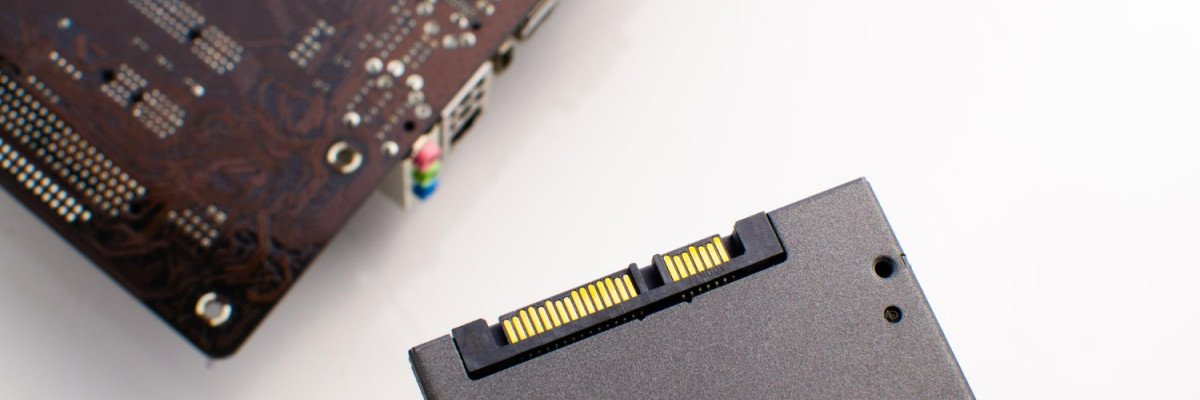
SATA SSDs connect through the same type of port as many HDDs. They are often used for budget-friendly upgrades. If you have an older server but want a clear speed jump, SATA SSDs are often the easiest next step.
NVMe SSDs connect over PCIe, not the older SATA interface. They deliver much higher performance and lower waiting time for data. These are great for high-demand applications such as large databases, intense virtualization, or busy e-commerce platforms.
Then there are enterprise-grade SSDs. These are built for data centers and critical workloads. They come with features like power loss protection and higher endurance. That means they are designed to be written to and read from heavily, day after day.
A few terms often confuse non-technical decision makers:
- IOPS simply means how many read or write actions the drive can handle each second
- Endurance (DWPD or TBW) describes how much data you can safely write to the drive over its life
- Latency is the delay between asking for data and getting it back
For databases, ERP, or virtualization, higher IOPS and lower latency help keep things responsive. For CCTV recording or backup, endurance is more important because the drives are written to constantly.
Form factor also matters. Many servers in Bangladesh use 2.5 inch SATA drives. Newer models may support M.2 NVMe drives inside the chassis. High-end servers may use U.2 or U.3 NVMe drives in the front bays. Before placing any order, it is important to check what your server backplane and RAID controller actually support. This avoids buying drives that do not fit or are blocked by firmware limits.
Getting the Best Value From Server SSD Price in BD
When IT teams look at server SSD price in BD, they often only compare capacity and brand. Real value comes from understanding what is behind the number.
Costs are influenced by things like global NAND supply, the reputation of the brand, the drive capacity, and whether it is SATA or NVMe. Enterprise models with higher endurance and better warranties sit in a different category from basic SSDs. They are built to run in busy racks for long stretches of time.
Instead of only thinking about the sticker price, it helps to think in terms of total cost per year. A higher quality SSD may last longer, reduce the risk of downtime, and cut the number of emergency replacements. Less heat from SSDs can also ease cooling pressure in a crowded server room, and lower power use slowly adds up.
For many Bangladeshi SMEs, a layered storage plan works well:
- Put the operating system and main databases on SSDs
- Keep less active data and archives on traditional HDDs
- Upgrade in phases to match fiscal planning and busy business cycles
This way, you get speed where it matters most, without trying to move every byte to SSD on day one.
Smart Buying Tips for SSD Upgrades in Bangladesh’s Real-World Conditions
The local market has many options, but not all of them are equal. Genuine sourcing is important. Counterfeit or gray-market drives may look fine at first, then fail when pressure is highest. Working with authorized distributors and partners gives access to proper warranty support and firmware updates.
Real servers from brands like Dell, HPE, and Lenovo, as well as custom-built systems, each have their own rules around storage. Checking compatibility ahead of time avoids surprises like unsupported drive models, blocked features, or RAID controllers that cannot use full NVMe speed. Storage specialists can help match specific SSD models to exact server part codes.
Power and environment also matter a lot in Bangladesh. Frequent voltage swings and power cuts challenge any storage system. Enterprise SSDs with power loss protection can help protect data that is in flight during a sudden shutdown. Combined with a well-designed UPS setup and proper rack enclosures, this creates a safer base for your data.
Before ordering, IT managers can walk through a short checklist:
- What workloads will run on these SSDs, and how will they grow in the next two to three years?
- What RAID level and backup plan will protect data if a drive fails?
- How fast do you need to restore service if there is a hardware issue?
- What procurement lead times match your seasonal business peaks?
Clear answers to these points guide better SSD choices, so the storage fits the business, not the other way around.
Turn Today’s Server SSD Decisions Into Tomorrow’s Competitive Edge
When we pick the right mix of SSD types, we quietly improve how the entire business works. It is not only about finding the lowest server SSD price in BD. It is about matching speed, endurance, and reliability to the real workloads that keep your company moving.
Faster systems help customers complete orders without frustration. Staff move through tasks with fewer slow screens. Data is stored more safely, even when power and weather conditions are not ideal. All of this matters during big moments like Ramadan sales, Eid campaigns, fiscal year-end crunch times, and new project launches.
At Crystal Vision Solutions, we focus on these real-world details. We help businesses in Bangladesh review their current infrastructure, compare SSD options for servers from different vendors, and shape a storage plan that fits both technical needs and growth goals. With careful planning, your next SSD upgrade can turn quiet hardware choices into a steady advantage all year long.
Get Faster, More Reliable Servers Within Your Budget
If you are planning an upgrade and want a clear idea of server SSD price in BD, we can help you compare options and choose the right drive for your workload. At Crystal Vision Solutions, we match performance, endurance, and capacity to your actual business needs so you do not overpay. If you would like tailored recommendations or a custom quotation, contact us and our team will guide you step by step.
Leave a Comment