
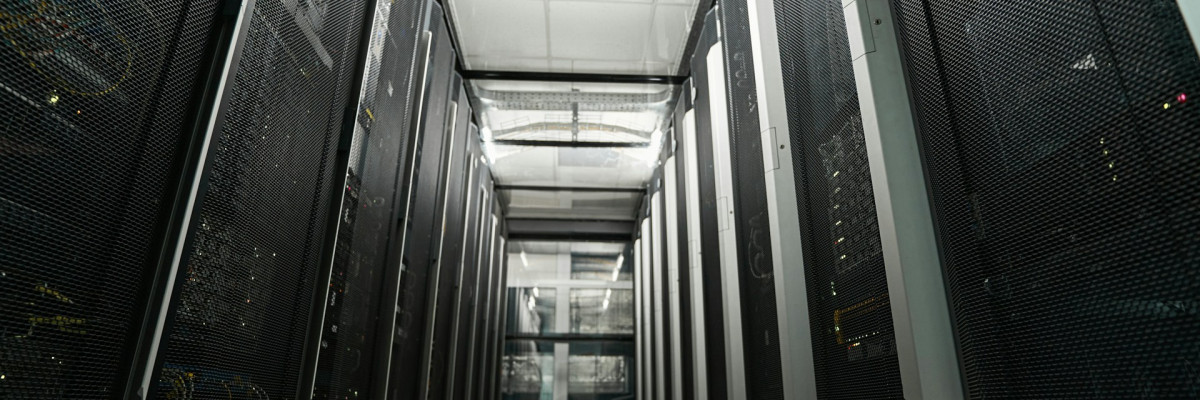
How Smart Data Center Rack Choices Can Lower Your Server Budget in BD
IT costs keep climbing in Bangladesh. Hardware, power, cooling, space, it all adds up fast. Many teams try to control spending by comparing specs and hunting for the best server price in BD. That part is important, but there is a quiet player in the background that shapes many of those costs: the data center rack.
Racks often feel like simple metal cabinets. Put the servers in, close the doors, done. In real life, the rack you choose affects what kind of servers you can buy, how you cool them, how you power them, and how hard it is to maintain everything over the next few years.
If the rack is too small, too shallow, or not planned for growth, you might end up paying more for compact hardware, rushed upgrades, and extra cooling fixes. If the rack is planned well, you can use space smartly, pick better server options, and keep long term costs calmer, especially when that mid-year refresh season comes around May and June.
We want to walk through how rack specs, density, and layout connect to real-world server pricing, and how better rack thinking can help keep your budget under control in Bangladesh.
Why Rack Size, Form Factor, and Density Shape Server Price in BD
The first thing to think about is the size of the rack. Common heights are 24U, 42U, and 48U. U is a unit that measures vertical space inside the rack. A higher rack can hold more equipment, but it also affects what type of gear you choose.
Shorter racks might push you toward more compact servers. Taller racks can host more standard gear, or mix servers, storage, and network devices in one place. Depth also matters. If the rack is too shallow, you are forced to pick shorter chassis or special models, which can change the final server price in BD that you face.
Server form factor ties into this. You often see:
- 1U servers that are thin and high density
- 2U servers that allow more drives and airflow
- 4U servers that handle larger storage or GPUs
High density sounds nice because you fit more in one rack. But when you stack lots of 1U servers, you increase heat and power needs in that small footprint. That sometimes leads to higher hardware specs, stronger power distribution, and upgraded cooling.
On the other side, using a mix of 2U or 4U servers can mean lower density but cooler operation and easier cable work. The sweet spot is different for each business. Planning for that balance helps you avoid paying extra for servers that only exist to work around rack limits.
Future capacity is another quiet factor. Leaving some empty U space, making room for cable managers, and reserving space for storage or extra switches might feel like unused area today. In reality, that free space can protect you from rushed hardware purchases when you expand.
If your rack is packed to the top, the next upgrade might need new racks, new power lines, or special compact servers. All that can push costs up, especially when you have to decide fast.
Cooling, Airflow, and How They Quietly Impact Your Server Budget
Heat is a constant concern in a warm, humid country like Bangladesh. Racks are not just shelves, they are part of your cooling system. The way air moves through them has a direct effect on your hardware and your long term spending.
Good racks usually have perforated front and rear doors so cold air can pass in and hot air can exit. Side panels, brush panels, and blanking panels help guide that air so it flows through the equipment instead of around it.
When airflow is poor, a few things start to happen:
- Servers get hotter and may reduce performance to protect themselves
- Components age faster, which means more early replacements
- Cooling units need to work harder for longer periods
- Hot spots appear, forcing quick fixes that are not always efficient
Bangladesh summers can be tough on gear if air patterns are not planned. Investing in racks that support hot aisle or cold aisle layouts, or that work well with in-row cooling and high heat density gear, can seem like an extra step at first. Over time, better airflow often leads to steadier performance, fewer surprise failures, and a calmer cooling setup.
In short, if the rack helps your AC, your servers live a happier life.
Power, Cable Management, and Reliability Costs Inside the Rack
Power and cabling inside the rack can feel like background details until something goes wrong. The choice of PDUs, where you put the UPS, and how cables run from top to bottom all shape your uptime and your stress level.
When PDUs are chosen with care, they match the expected load and plug types of your servers. They also give enough outlets for future growth without forcing risky power strips. If power is underspecified, you might have to pick lower power servers or skip ideal models, which changes the server price in BD that fits your situation. If power is heavily overspecified, you could pay for capacity you never use.
Cable management sounds simple but has deep effects:
- Neat cables make it easier to trace problems
- Proper routes reduce the chance of unplugging the wrong cord
- Structured cabling allows safer moves and adds over time
- Clear paths help airflow move in the right direction
Messy racks are harder to work in. Each change takes longer. The risk of downtime goes up. When outages damage sensitive hardware or corrupt data, emergency replacements start to eat into your budget.
Well organized racks help your team or service partners spot issues faster and fix them with less guesswork.
Security, Compliance, and Future-Proofing Your Rack Strategy
Physical security is part of data security. Racks that have locking front and rear doors, and secure side panels, protect gear from casual access. That kind of control often supports local and global standards that many businesses need to follow.
When physical access is weak, devices can be removed, drives can be taken, or cables can be pulled without permission. Fixing those problems is stressful and costly. There can be equipment changes and forced refreshes that you did not plan for.
Future-proofing also matters. Newer racks are built to handle higher power density, faster network speeds, and newer cable types. When your racks are ready for those features, you have more choice when picking your next server line. That keeps your options wider, so you are not locked into a narrow set of models.
In a country that faces storms and power instability, it is smart to think about disaster readiness too. Features like better mounting hardware, seismic bracing for certain sites, and added cable protection can lower the risk of damage during sudden events.
Turning Rack Insights Into Smarter Server Purchases in Bangladesh
When we look at all of this together, a clear picture forms. Rack height, depth, airflow, power, and security are not just side details. They shape what servers you can buy, how those servers run, and how much you spend to keep them going over many years.
Instead of only comparing raw specs or chasing the lowest server price in BD, it helps to step back and study the space the servers will live in. Often, a small change in rack strategy makes a big change in hardware choices, cooling comfort, and maintenance effort.
The mid-year planning window around May and June is a good time for many teams to revisit rack layouts and data center design. By tuning the rack environment first, you can select hardware that fits your real conditions, not force your room to adjust around mismatched gear.
At Crystal Vision Solutions, we pay close attention to how racks, power, cooling, and security connect to server and network hardware. We focus on rack-to-server planning so that each piece of equipment supports the rest of the stack, instead of fighting against it.
Get The Right Server At The Right Price For Your Business
If you are comparing options and want a clear view of the latest server price in BD, we can help you narrow it down quickly and confidently. At Crystal Vision Solutions, we work with you to match performance, scalability, and budget so you only pay for what you actually need. If you would like tailored guidance or a custom quote, contact us and our team will respond with specific recommendations.
Leave a Comment