
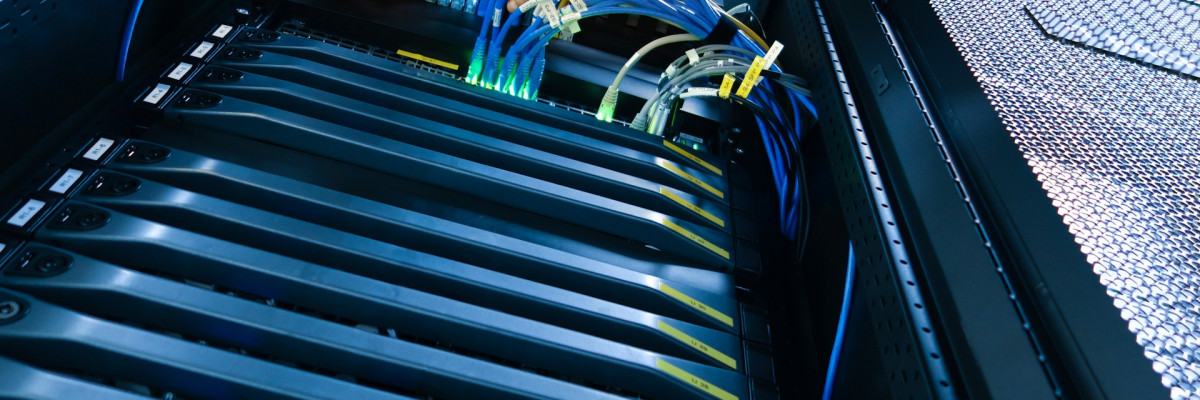
Why First-Time Data Center Builders Struggle with Server Price in BD
Planning a first data center in Bangladesh can feel exciting and stressful at the same time. Business is growing, more work is moving online, and management wants better control over systems. Peak times like Eid campaigns, summer traffic spikes, and year-end closing push IT teams to think about in-house servers instead of only cloud or shared hosting.
Then the quotes start to arrive, and the confusion begins.
Two servers look almost the same on paper, but the server price in BD is very different. One vendor talks about dollar rates. Another mentions import duties. One quote has three kinds of warranty. Another lists model names that all sound alike. It can feel like buying a plane ticket in a foreign language.
The truth is, first-time buyers are not wrong to feel lost. There are many brands, many channels, and many hidden pieces that never show up in a simple IT shopping list. It is easy to overspend on fancy features you do not need, or to save money upfront and pay later with slow systems and downtime.
This is where a local, experienced guide matters. A partner that works daily with enterprise servers, storage, networking, and security in the Bangladeshi market can help match business goals to the right hardware. Our focus is not to push the most expensive gear, but to right-size the design so it works on day one and grows with you.
Breaking Down the Real Cost of a Server in Bangladesh
When people ask why one server is more expensive than another, we usually start with the core parts.
- CPU tier, entry chips for light workloads or higher tier for heavy databases and virtualization
- Memory, both capacity and speed play a big role in performance
- Storage type, HDD for bulk storage, SSD for speed, NVMe for very high I/O needs
- RAID controller, simple or advanced, with or without cache and battery backup
- Power supplies, single or redundant for higher uptime
- Form factor, rack servers for data centers, tower servers for small spaces
Two servers can both be “Xeon with 64 GB RAM” on paper, yet be built from very different parts. That is why price jumps can feel unfair until you see what is inside.
Then there are the non-hardware drivers of server price in BD. Import taxes and duties affect different product lines in different ways. Warranty tiers can change the quote a lot, especially when you move from basic parts replacement to faster response or on-site support. Brand reputation is another piece, some brands charge a premium because their spare parts logistics or support quality are stronger.
Foreign currency is its own headache. Many IT teams in Bangladesh plan their bigger buys around Q2 or before peak activity. Dollar rate swings around those times can move quotes even when the hardware list does not change.
We also see many hidden or late-stage costs. People often forget items like:
- Server rails and racks
- Enterprise level UPS and power distribution
- Cooling and airflow planning for the server room
- Proper copper or fiber cabling
- OS and virtualization licenses
- Backup, archive, and offsite recovery tools
A server that looks cheap without these pieces can become far more expensive when you have to rush and add them later.
Matching Server Types to Your First Data Center Workloads
Not all workloads need the same kind of server. When we help first-time builders, we start by sorting workloads into simple buckets.
Web and application servers usually care more about stable CPU and decent RAM, plus fast network links. Database servers are hungrier. They often need more RAM, stronger CPU, and faster storage so queries stay quick even under load.
Virtualization hosts need a good mix of CPU cores and lots of memory. When many virtual machines share the same box, RAM planning is just as important as CPU. Backup and archive nodes are different again. They do not always need high CPU, but they do need large, reliable storage and good network throughput.
Security appliances, like firewalls and proxy servers, may run on specialized hardware or tuned server builds. These are part of the data center picture too.
Right-sizing means asking questions like:
- Do we need single-socket or dual-socket servers?
- When should we pick more cores instead of higher clock speed?
- Where is it smarter to add more RAM instead of more CPU?
This is also where growth planning comes in. In Bangladesh, business cycles around Eid, back-to-school, and year-end can bring short, sharp bursts of traffic. A good first design makes room for scale-out or scale-up before those peaks, without forcing you to overbuild on the first purchase.
Budgeting Smart: How to Build a Realistic Server Price Plan in BD
A strong server plan shapes the budget in phases. Not everything needs to be ready on day one. Some things can move to phase two, as long as the design expects that growth.
We often suggest starting with a clear split:
- Must-have capacity for current workloads and near-term projects
- Planned add-ons like more RAM, extra disks, or extra nodes later
- Optional features, such as higher automation or extra backup tiers
Capacity planning is key. Estimating CPU, RAM, IOPS, and storage growth over the next year or two helps avoid panic buys during peak time at higher prices.
Then there is the CAPEX vs OPEX question. Hardware is a capital expense, but support, subscription software, and maintenance are ongoing costs. Sometimes a slightly higher upfront server price in BD means lower downtime risk, better energy use, and longer hardware life. That tradeoff is hard to see if you only compare initial quotes line by line.
Working with a local partner that can run TCO comparisons and offer brand-neutral guidance makes it easier to balance performance, reliability, and budget.
Avoiding Costly Mistakes in Your First Data Center Build
We see some mistakes repeat again and again with first-time builds.
One common issue is buying consumer-grade parts for business workloads. That might look cheaper at first, but it often leads to weak reliability, limited support options, and trouble with spare parts.
Another mistake is underestimating power and cooling. Servers in a warm, humid climate need stable power and proper airflow. Ignoring redundancy, both in power and in hardware components, can turn a small failure into a full outage.
Mixing random components from different sources to cut costs is risky too. Not all parts play nicely together, and unsupported mixes can void warranties or cause strange, hard-to-fix issues.
Overbuilding is its own trap. Paying for capacity that will sit idle for years ties up budget that could support other IT needs. Underbuilding is just as bad, as it leads to slow performance or outages when user numbers or transactions suddenly climb.
We also encourage teams to think early about governance and compliance. Planning backup, data protection, and security controls at the start is far easier than trying to bolt them on later when a client, auditor, or regulator asks hard questions.
Turn Your First Data Center Plan Into a Future-Proof Investment
The real shift is moving from “how do we get the lowest server price in BD” to “how do we design an environment that supports our business for the next few years.” Price still matters, but it sits inside a bigger picture that includes uptime, user experience, and room to grow.
A simple way to begin is to list out current applications, estimate growth for the next 12 to 24 months, and define clear uptime and performance targets. From there, a structured requirements checklist for compute, storage, networking, security, and backup gives a strong base for smart decisions.
At Crystal Vision Solutions, we build these plans with organizations across Bangladesh, helping match workloads to servers, storage, networking, and security that fit local realities. With local warranty handling, practical configuration advice, and long-term support in mind, that first data center can turn from a confusing expense into a steady, future-ready asset.
Get The Right Server At The Right Price For Your Business
If you are comparing options and need a clear idea of server price in BD, we can help you match the right configuration to your workload and budget. At Crystal Vision Solutions, we review your performance, capacity, and scalability needs before suggesting any model. Whether you are planning a new deployment or upgrading existing infrastructure, we will guide you through every step. If you would like tailored recommendations or a custom quote, get in touch with our team.
Leave a Comment